GE Garbage Disposal Leaking: Stop Every Leak and Backup
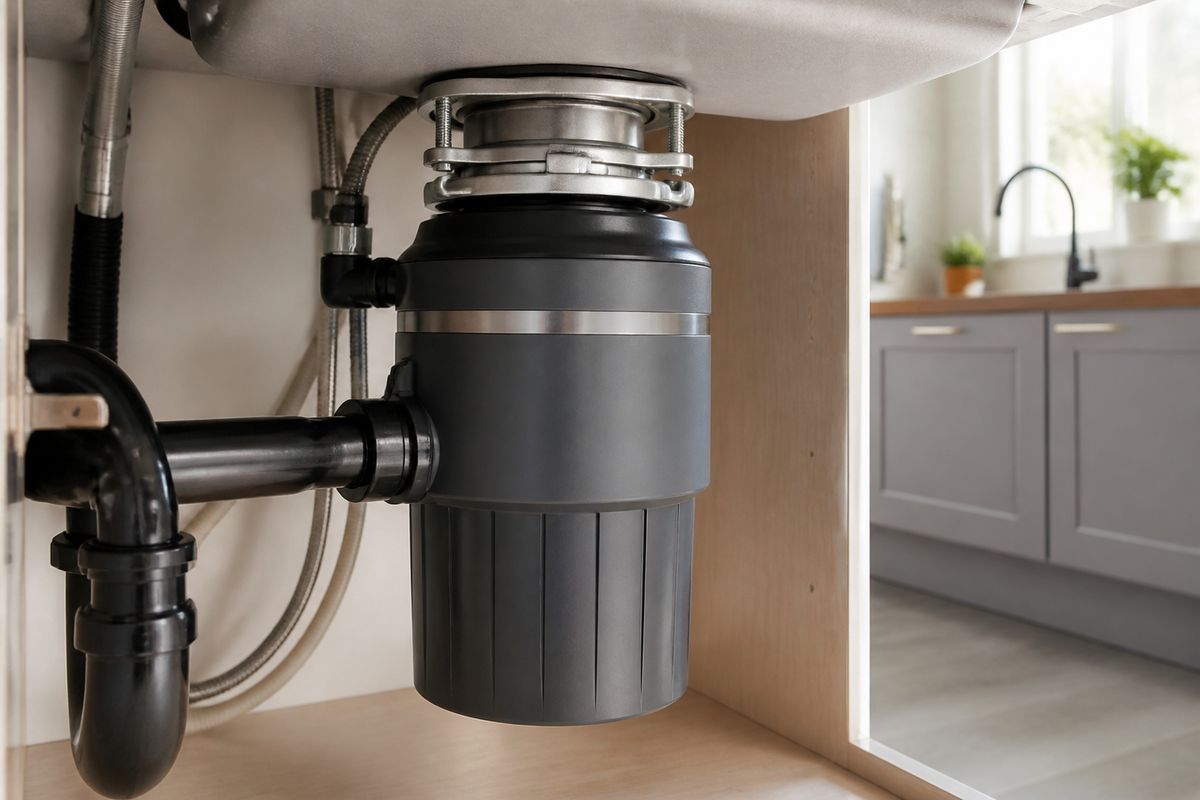
If you’re dealing with wet spots under your sink, it’s easy to assume it’s a drain clog—but GE Garbage Disposal Leaking: Stop Every Leak and Backup often points to a failed seal, gasket, or connection. When the wrong part lets water escape, drainage can also get compromised, leading to slow draining or backups. Use the leak location to match the fix and stop the problem at the source.
Leaking from the Bottom: Gasket Fix
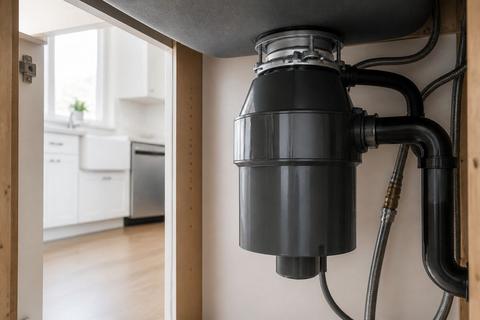
A leak from the bottom of a GE garbage disposal means water is escaping from an internal seal or lower gasket, not from the sink connection. This type of leak creates puddles, corrosion, and electrical risk, and it doesn’t respond well to “quick” sealing. Your goal is to eliminate the leak and restore safe operation—then address any backup symptoms separately from the internal failure.
- Turn off power to the disposal at the breaker (or unplug it if it’s corded).
- Place a towel around the base and run water for 10–15 seconds to confirm the leak truly comes from the underside housing seam.
- Shut off the water immediately and wipe dry so you can track new drips.
- If water is actively dripping from the bottom housing, replace the disposal (internal gasket/seal failure is not a practical repair).
- After replacement, recheck dishwasher/drain connections if you also notice slow drainage or backups.
Replace a Garbage Disposal Sink Flange (Stop Top Leaks)
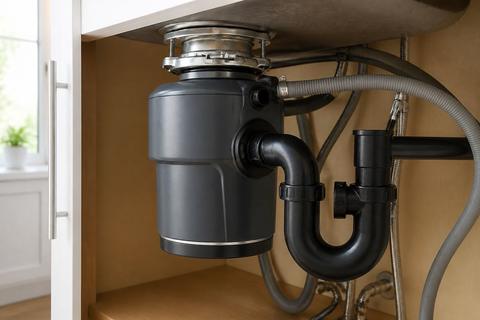
If water is showing up around the sink opening, the sink flange connection is the source. The flange and its seal/mounting ring are designed to keep the top connection watertight; when the putty seal, gasket, or mounting hardware loosens, water finds a direct path downward. Fixing the flange stops the leak at the top so drainage stays proper and backups reduce.
- Turn off power to the disposal at the breaker.
- Disconnect the disposal: remove the dishwasher hose (if connected) and disconnect the discharge pipe under the sink.
- Support the disposal and unmount it from the sink assembly (follow your mounting method, typically twist-lock).
- Remove the old sink flange/mounting hardware and clean off old putty and residue from the sink opening and flange surface.
- Reinstall the sink flange using a new plumber’s putty or the correct gasket/seal for your model setup, then tighten the mounting ring securely.
- Reinstall the disposal, reconnect plumbing, and run water with the sink stopper in place for 30 seconds to ensure the top connection stays dry.
Replace a Garbage Disposal Drain Gasket for a Tight Seal
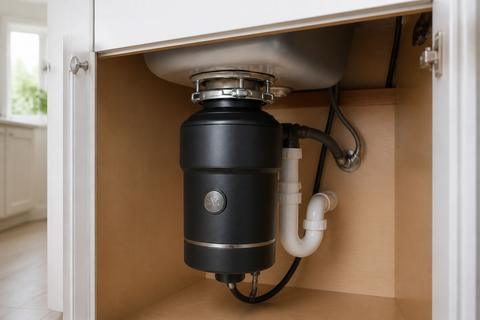
A drain gasket problem creates leaks where the disposal connects to the drain pipe/discharge connection. When that gasket is loose, hardened, or damaged, water drips during use and can worsen drainage by undermining the integrity of the connection. If you also have odors or slow drainage, a failing drain gasket is a common trigger.
- Turn off power at the breaker and clear water from the sink area.
- Place a shallow pan under the disposal discharge connection to catch drips.
- Locate the gasket at the discharge outlet where the disposal meets the drain piping.
- Disconnect the discharge line (and remove any clamps) so you can access the gasket surface.
- Pull the old gasket off completely, then clean the contact surfaces on both the disposal outlet and drain pipe.
- Install a new drain gasket, align it flat, and reconnect the piping/clamp hardware firmly.
- Run water for 1 minute and check for any seepage at the discharge joint.
How to Replace a Garbage Disposal Splash Guard
A worn splash guard can make water appear to “leak,” even when the actual plumbing seals are intact. If the guard no longer contains water, you’ll see spray or moisture around the sink opening and cabinet area, which can look like a gasket failure. Replacing the splash guard restores containment and keeps water where it belongs.
- Turn off power at the breaker.
- Remove the disposal cover/insulation pieces if your model requires access to the top chamber.
- Inspect the splash guard location inside the sink flange opening—look for cracks, missing clips, or gaps.
- Remove the failed splash guard by releasing its retaining tabs/clips according to how it’s mounted in your disposal.
- Fit the new splash guard in the same orientation, ensuring it seats fully and locks into place.
- Reassemble any removed parts and run water to confirm the spray pattern stops and moisture returns to normal levels.
Full Guide: Garbage Disposal Leaking From the Bottom: Gasket Fix
Frequently Asked Questions
How do I tell where my GE garbage disposal is leaking from?
Start by observing the leak location while running water briefly. Water coming from the top around the sink opening points to the sink flange connection seal or mounting ring. Water leaking from the side near dishwasher hose/discharge connections indicates a hose clamp or discharge tube gasket issue. Water dripping from the bottom housing indicates an internal seal or lower gasket failure.
Can a leak cause my garbage disposal to back up?
Yes. A failing seal or connection can interfere with proper drainage, and leaks may coincide with blockages or partial restrictions at the drain interface. Also, a disposal that can’t drain well will show symptoms like slow emptying, lingering water, or recurring backup—so you should separate “true clog” behavior from “connection leak” behavior by checking leak points and drainage flow.
Should I repair or replace a leaking disposal part?
It depends on what’s leaking. Top leaks at the sink flange or connection leaks at gaskets/clamps are often repairable by replacing the specific seal or component. A disposal leaking from the bottom housing signals an internal gasket/seal failure, and replacement is the correct path because internal repairs are not practical and don’t reliably restore watertight operation.
Full Guide: Replace a Garbage Disposal Sink Flange (Stop Top Leaks)
Full Guide: Replace a Garbage Disposal Drain Gasket for a Tight Seal