GE Garbage Disposal Not Working: Diagnose Every Common Cause
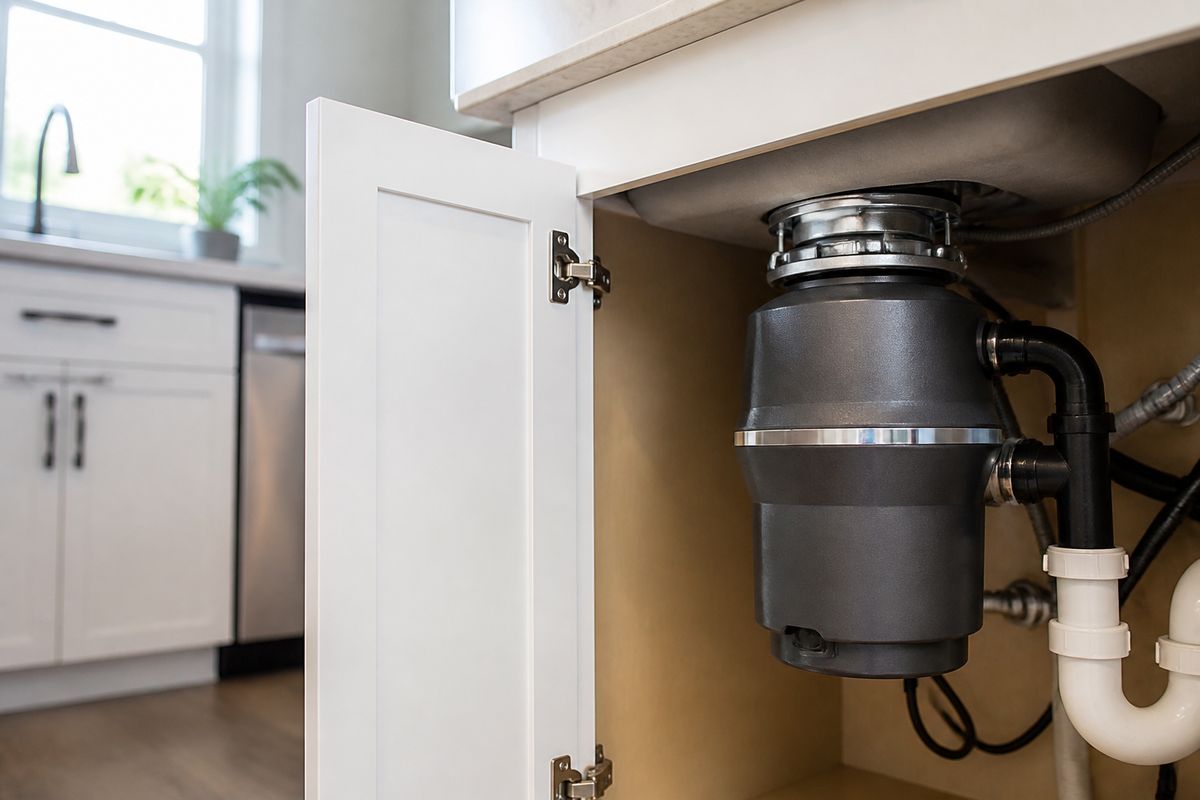
If your GE garbage disposal isn’t working, the cause is usually something straightforward—power, a reset, or a jam—rather than a total unit failure. When you match the symptom to the most likely fault, you can stop guessing fast and get the disposal running again. Use the sections below to diagnose the most common problems safely and in the right order.
Garbage Disposal Not Turning On: How to Fix No Power
If your GE garbage disposal is completely dead (no sound when switched on), start with the easiest electrical checks. Most “no power” problems come from the wall switch, a tripped breaker, or the disposal’s own overload protection. Work through these checks in order, then move to the detailed fix steps in the linked child article.
- Turn off the disposal wall switch and confirm no power is active.
- Check the breaker panel for the switch labeled Garbage Disposal (or Disposal). Flip it fully OFF, then back ON.
- Try the wall switch again. If it still does nothing, inspect the switch for loosened wiring or a failed switch.
- If your unit has a reset button on the motor housing, press it after power is off and the motor has cooled.
- If you still get zero response, you likely have a wiring issue in the switch/disposal circuit that needs deeper electrical troubleshooting.
Full Guide: Garbage Disposal Not Turning On: How to Fix No Power
How to Reset a GE Garbage Disposal (Reset Button Steps)
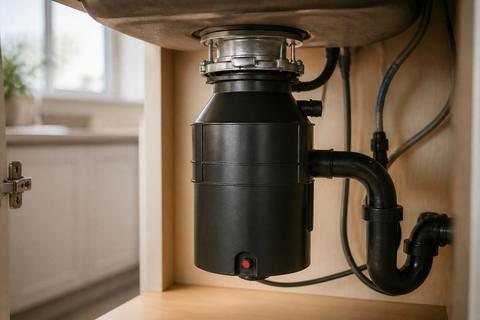
A GE garbage disposal that shuts off unexpectedly is often stopped by the red overload reset button on the bottom of the motor housing. The disposal trips when the motor overheats from a jam or heavy load, or when a temporary fault prevents it from running. Resetting restores operation once the motor is cooled and the underlying blockage is cleared.
- Turn off power to the disposal at the wall switch and/or breaker.
- Let the disposal cool for at least 5 minutes.
- Clear the sink area of dishes and never place hands into the grind chamber.
- Locate the red overload reset button on the underside of the motor housing.
- Press the button in until it clicks.
- Turn power back on at the breaker and switch, then run the disposal with cold water.
If the reset trips again immediately, the motor is blocked and you must address the jam before attempting another reset.
Full Guide: How to Reset a GE Garbage Disposal (Reset Button Steps)
Garbage Disposal Humming or Making Loud Noise: Fixes
When your GE disposal hums but doesn’t grind, the motor is receiving power but the grinding mechanism is blocked or unable to rotate. Loud noise—grinding, rattling, or banging—almost always points to an obstruction, a stuck impeller, or a loosened component that’s vibrating during operation. Start with the safety steps and free the mechanism before looking deeper.
- Turn off power at the wall switch and/or breaker immediately.
- Unplug if it’s on a plug-in circuit, and keep power off while you work near the unit.
- Never insert your hand into the grind chamber—use tongs or pliers to remove visible debris like bottle caps, fruit pits, or dropped utensils.
- If the disposal won’t spin and only hums, use the underside wrench method: insert a 1/4-inch hex (Allen) wrench into the hex socket on the center underside and work it back and forth through a full rotation to free the impeller plate.
- After the mechanism moves freely, press the red reset button and run the disposal briefly with water.
If it still won’t move, stop and follow the dedicated noise troubleshooting article for the full set of checks.
Full Guide: Garbage Disposal Humming or Making Loud Noise: Fixes
How to Tighten Loose Garbage Disposal Blades Safely
If the disposal runs but sounds loose, rattly, or “off,” the grinding assembly may be vibrating due to loosened components or a mounting issue. A loosened impeller or related part can cause inefficient grinding and louder operation, while deeper internal failures require professional service. Use this section to focus on safe recognition and next steps for a controlled tightening repair.
- Shut off power at the breaker and keep it off during any inspection.
- Listen carefully: a true rattling/loose sound is commonly linked to the grinding assembly, not normal drainage or water flow.
- Check for obvious foreign objects using tongs/pliers from the opening—do not reach into the chamber.
- If the chamber is clear and the noise persists, the grinding components likely need adjustment or tightening using the proper method for the GE model.
- Follow the safe tightening procedure in the linked child article to avoid damaging the impeller or mounting system.
Never tighten blindly with improvised tools—using the correct access points and sequence prevents additional damage.
Full Guide: How to Tighten Loose Garbage Disposal Blades Safely
Frequently Asked Questions
Why is my GE garbage disposal not working at all?
The most common reasons are no power, the reset button being tripped, a jammed motor (the impeller can’t turn), or a problem with the wall switch or breaker. Start with the simplest external checks: flip the correct breaker fully OFF then ON, confirm the wall switch turns the unit on, and press the red overload reset button after the motor cools. If the disposal hums or makes loud noise, treat it as a jam before continuing. Avoid going straight to internal repairs—most GE “dead” problems are fixed by restoring power and clearing the cause of the overload.
Is it safe to press the reset button on a GE garbage disposal?
Yes, it’s safe if you turn off power first and keep your hands away from the opening. The GE disposal’s red overload reset button is designed for this safety step when the unit trips. Press it firmly until it clicks, then restore power and try again. If it trips repeatedly, don’t keep resetting—remove the jam or clear the obstruction that caused the overload. Repeated resets can indicate a stuck impeller or overheating from a persistent load, which can turn a simple fix into motor damage.
What does it mean when a garbage disposal hums but won’t spin?
A hum with no grinding usually means the motor is getting power but the grinding mechanism can’t rotate. The most common cause is a jam—food debris, glass, or a dropped utensil blocking the impeller plate or flywheel. This points away from an electrical outage and toward internal mechanical blockage. The correct response is to shut off power, free the impeller using a 1/4-inch hex (Allen) wrench on the underside hex socket, then press the red reset button. If the unit still won’t move, stop and follow the dedicated troubleshooting steps for your specific symptom.
When should I stop troubleshooting and call a pro?
Stop troubleshooting and call a professional if the disposal trips repeatedly after clearing a jam, you smell burning, you see water leaking from the unit, or you notice sparking or persistent electrical issues. You should also call if you can’t clear the obstruction safely or the unit has side effects like dishwasher non-draining after installation changes. Persistent humming without successful impeller movement, ongoing reset cycling, or any signs of damaged wiring or failed seals can indicate a failing motor or unsafe electrical condition that needs proper repair.