Window Air Conditioner Leaking Water Inside
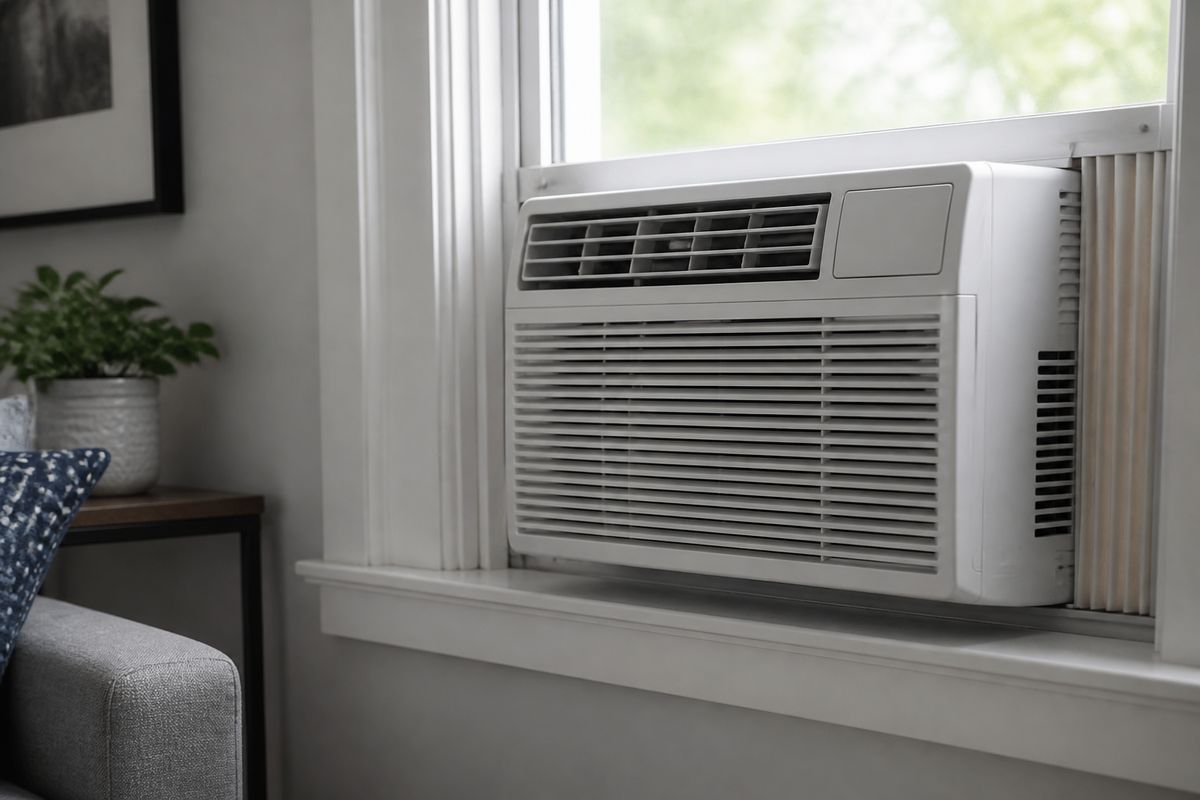
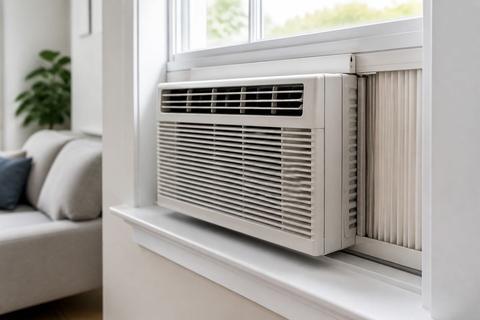
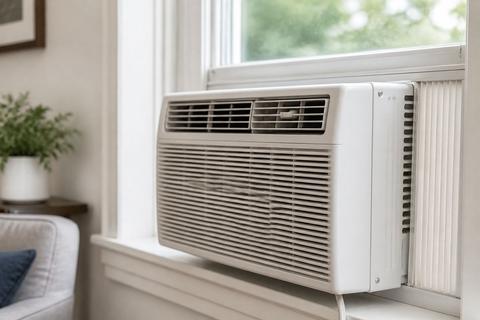
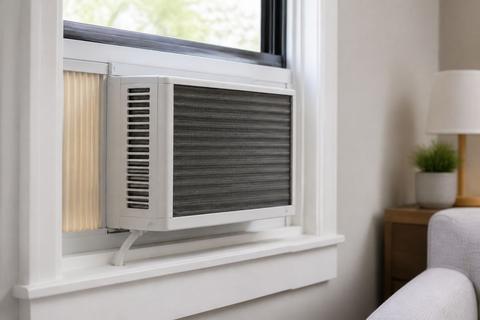
If your window air conditioner leaking water inside has turned into puddles on the sill or floor, shut it down and inspect the basics before the damage spreads. The problem is usually a drainage issue, frozen coil, bad tilt, or a window seal letting rainwater in. Start with the simple checks first so you do not miss a fixable installation or airflow problem.
For more help, see our Window AC Water Problems: Leaks, Drips, and Drain Fixes guide.
Why a Window AC Leaks Water Indoors
Normal condensation vs. a real leak
A window AC pulls moisture out of warm air, and that water has to drain somewhere. A little water moving to the outside side of the unit is normal. A real leak is water coming into the room from the front grille, bottom edge, or around the window frame.
Condensation from the cold cabinet or window glass is different from an internal leak. If the room is very humid, the unit can collect more moisture than expected, but it still should not drip indoors if it is installed and draining correctly.
Clogged drain path or blocked drip tray
Dust, algae, and debris block the drain hole and drip tray, forcing water back into the indoor side of the chassis. When that path is blocked, water overflows instead of draining to the outside.
- Unplug the unit.
- Remove the front grille and filter.
- Locate the drain opening or lowest collection channel in the base pan.
- Clear debris with a soft brush, pipe cleaner, or compressed air.
- Wipe out the pan so standing water cannot build up again.
Unit tilt, poor installation, or damaged seals
A window AC must slope slightly outward so condensate drains outside. If the unit tilts inward, water runs toward the room. Loose mounting brackets, crushed foam, missing side panels, and cracked gasket material also let water escape inside.
Check the cabinet, window track, and side filler panels. If the frame is warped or the seals are torn, water can move behind the unit instead of out through the drain path.
High humidity and overworked cooling cycles
When the room is very humid and the AC runs nonstop, the unit pulls a large amount of water from the air. If airflow is weak or the unit is undersized for the room, moisture load increases and the drain system has to handle more water than normal.
Long run times also raise the chance of icing on the evaporator coil. Once that ice melts, the extra water can spill into the room if the drain path is already restricted.
Check the Fast, Safe Fixes First
Turn the unit off and let any ice melt
If the AC is dripping and blowing weak air, stop it immediately. Ice on the evaporator coil blocks drainage and sends meltwater where it should not go.
- Switch the unit off.
- Unplug it from the wall.
- Leave the fan running only after the ice has softened, if the manual allows it.
- Wait until all visible frost is gone before checking the filter or coil.
Do not restart a frozen unit right away. That sends more moisture into an already blocked system.
Inspect the filter and evaporator coil
A dirty filter restricts airflow and drives the coil below freezing. A dirty evaporator coil has the same effect because air cannot pass through it freely.
- Remove the filter from the front grille.
- Wash it with warm water and a mild soap.
- Dry it fully before reinstalling.
- Look at the coil behind the filter for dust, lint, or oily buildup.
- Clean the coil with a soft brush or an AC-safe coil cleaner if accessible.
Clear the drain hole and front grille
Water trapped in the base pan spills forward when the drain opening is blocked. The front grille can also trap lint and reduce airflow near the coil.
- Remove the grille and filter.
- Check the bottom pan for slime, dust, or leaves.
- Clear the drain hole from both sides if you can reach it safely.
- Vacuum lint from the grille openings.
- Reassemble the panel without pinching foam or wiring.
Verify the AC slopes slightly outward
The back of the unit needs to sit lower than the front by about 1/4 to 1/2 inch. That angle sends condensate outdoors instead of into the room.
Use a level on the top edge of the cabinet or measure the tilt from inside the window. If the unit sits flat or leans inward, adjust the support bracket, add shims under the back edge, or reset the mounting so water drains the right way.
When a Window AC Freezes Up
How frozen coils turn into indoor water leaks
When the evaporator coil freezes, moisture turns into ice instead of draining normally. Once the unit stops or warms up, that ice melts fast and dumps water into the pan faster than the drain system can handle.
That overflow shows up as indoor dripping, water on the sill, or runoff from the front of the cabinet. The leak is a symptom of the freeze, not the main cause.
Common reasons a window AC freezes
Low airflow causes most freeze-ups. A dirty filter, blocked coil, dirty blower wheel, or closed louvers starves the coil of warm room air. Low refrigerant, a weak fan motor, and very cool nighttime temperatures also push the evaporator below freezing.
If the filter is clean and the unit still freezes, the problem is deeper than maintenance. A sealed-system issue or airflow fault needs repair, not a reset.
What to do if the AC is frozen
- Turn the AC off.
- Unplug it.
- Set the fan to circulate air only if the manual allows it.
- Let the ice melt completely.
- Clean the filter before restarting.
- If the unit freezes again after a clean filter, stop using it until it is serviced.
Never chip ice off the coil with a knife or screwdriver. That punctures the aluminum fins or refrigerant lines.
How to prevent repeat freezing
Keep the filter clean on a fixed schedule and leave the intake and discharge paths open. Do not run the unit with curtains, furniture, or blinds blocking airflow. Set the temperature so the compressor cycles instead of running flat out all day.
If the room stays cold at night, raise the setpoint or shut the unit off for several hours. If freezing continues after basic cleaning, the coil, fan, or refrigerant charge needs professional attention.
Installation and Indoor Moisture Problems
How a poor window seal causes dripping
A bad seal around the cabinet lets outside air and rainwater enter the window opening. That moisture collects on the frame, runs behind the side panels, and drips indoors even when the AC itself is working normally.
Check the foam strips, accordion side panels, and the top sash contact. If daylight shows through the gaps, water and humid air can pass through too.
Why condensation forms on the window or frame
Cold air from the AC chills the nearby glass, metal frame, and surrounding trim. When the indoor air is humid, moisture condenses on those cold surfaces and drips onto the sill.
This is a window and room humidity problem, not a drain-pan problem. You will see wetness on the glass, frame, or trim even if the AC cabinet stays dry.
Wind-driven rain versus AC-related leakage
Wind-driven rain enters through gaps around the window, especially on the storm-facing side of a home. AC-related leakage comes from the cabinet, drain pan, or frozen coil.
If the room gets wet during storms and stays dry in dry weather, the installation is the problem. If the water appears during cooling cycles regardless of weather, the AC drainage or airflow system is at fault.
Signs the problem is the window, not the AC
Look for water tracks around the sash, damp drywall beside the frame, rust on the window hardware, or wet insulation inside the side panels. Condensation on the glass and water stains above or beside the unit also point to a sealing issue.
If the cabinet pan stays dry but the frame gets wet, reseal the window opening before replacing parts inside the AC.
How to Stop the Leak for Good
Clean the filter on a regular schedule
A clean filter protects airflow and keeps the coil above freezing. Wash it every few weeks during heavy use, and more often in dusty rooms or homes with pets.
- Remove the filter.
- Rinse it with water and mild soap.
- Dry it completely.
- Reinstall it before running the unit again.
Do not run the AC with the filter removed unless the manufacturer specifically allows it for short service checks.
Keep airflow unrestricted around the unit
Leave clear space in front of the intake and outlet. Curtains, furniture, and heavy dust buildup choke airflow and raise the chance of freezing.
Keep the front grille clean, and do not block the rear outdoor side with boxes, screens, or patio items. The unit needs free airflow on both sides to move heat and moisture correctly.
Set the fan and temperature correctly
Use a moderate temperature setting and a fan speed that matches the room load. A setting that is too cold keeps the compressor running too long and increases the chance of icing.
If the room cools unevenly, raise the temperature a few degrees instead of forcing continuous operation. That reduces condensation stress and gives the drain system time to clear water out of the pan.
Seal gaps and replace worn weather stripping
Replace cracked foam, split side panels, and worn window caulk around the frame. Sealing those openings stops rain, warm humid air, and outside drafts from entering the room.
Use exterior-grade caulk where the window frame meets the wall, and replace compressed weather stripping that no longer fills the gap. Tight seals matter as much as drainage when indoor water appears.
Know when to call a technician
Call a technician if the unit keeps freezing after cleaning, the fan runs weakly, the cabinet is rusted through, or the drain pan is cracked. A refrigerant leak, failing compressor, or weak sealed-system component is not a DIY repair.
If water reaches wiring, the control board, or the outlet area, stop using the unit and get it inspected before restarting.
FAQ
Why is my window air conditioner leaking water inside when it rains?
Rainwater usually points to a window installation issue rather than the AC itself. Check the exterior tilt, side seals, mounting brackets, and whether water is entering around the frame.
Why does my AC keep freezing up and then dripping water?
A frozen evaporator coil blocks normal drainage. When the ice melts, the extra water can overflow into the room. Dirty filters, restricted airflow, low refrigerant, or a weak fan can all cause freezing.
Can I keep using a window AC that is leaking indoors?
Not if water is getting into the room or onto electrical parts. Turn it off, dry the area, and identify the cause first to avoid damage or a safety hazard.
When should I replace the unit instead of repairing it?
Replacement makes more sense if the AC repeatedly freezes, has a cracked drain pan, major corrosion, or a refrigerant/compressor problem that costs nearly as much as a new unit.