Window AC Water Problems: Leaks, Drips, and Drain Fixes
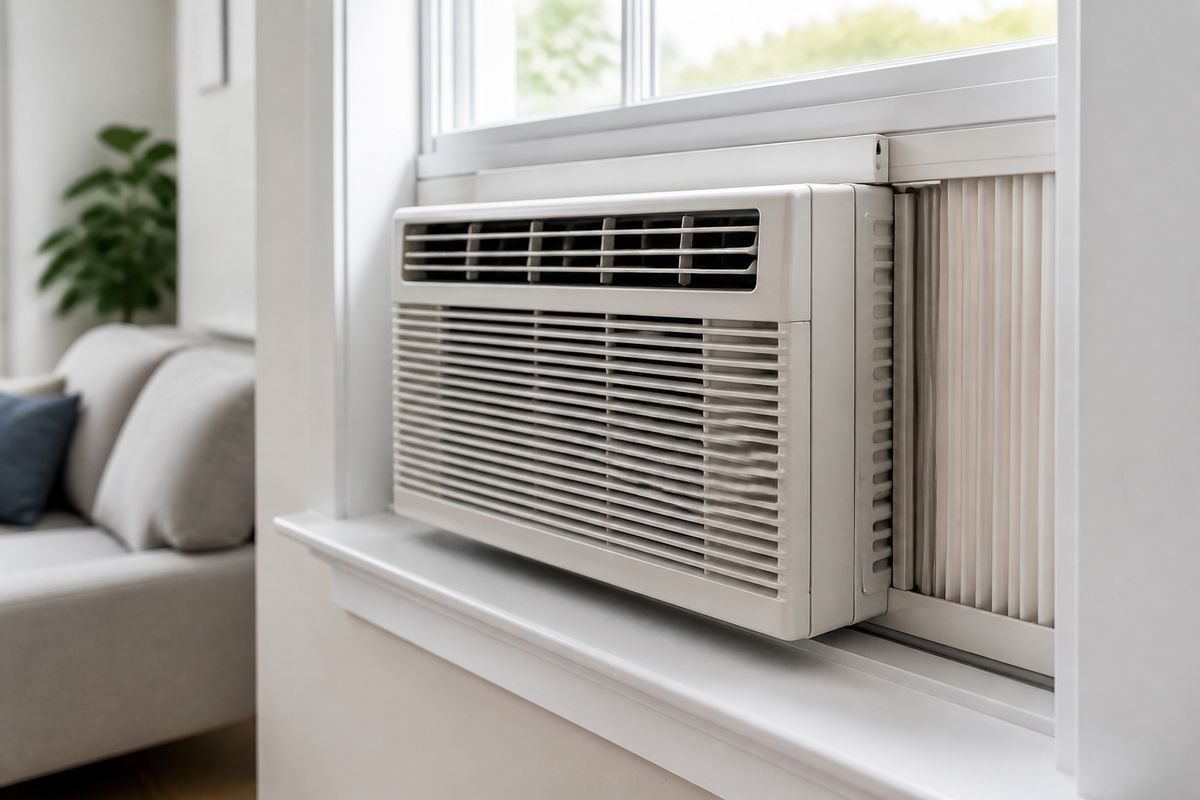
If your window AC is leaving puddles on the sill, dripping inside the room, or making wet spots on the wall, you’re not alone. Window AC Water Problems: Leaks, Drips, and Drain Fixes usually come down to one thing: condensation is forming, but the unit isn’t moving that water out the way it was designed to. The good news is that many fixes are practical and prevent the problem from coming back during humid weather.
Why Window AC Units Leak Water
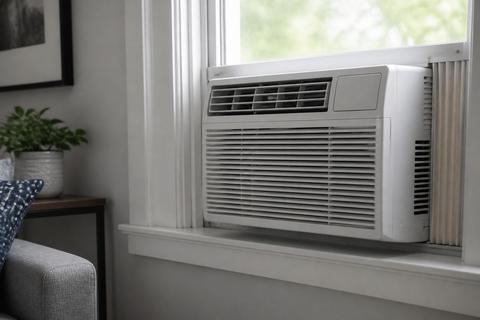
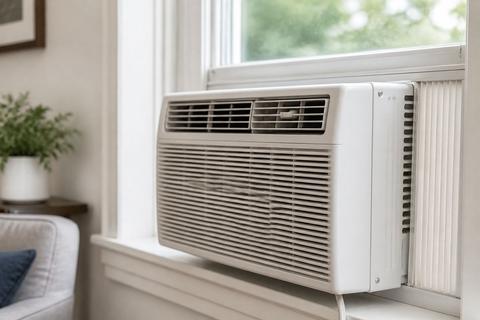
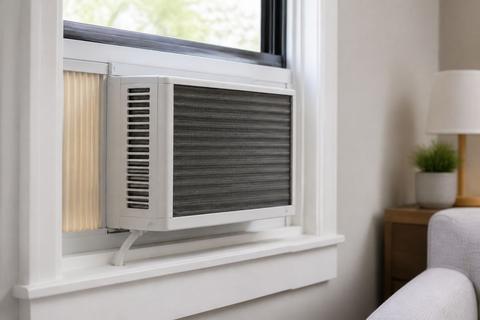
Window AC water problems usually start with condensation that is not draining the way it should. A leak can show up inside the room, outside the unit, or as steady dripping that signals a slope, blockage, or maintenance issue. The most common causes are (1) the unit not tilted toward the outside, (2) a clogged condensate drain path, (3) dirty or clogged filters/coil that increase condensate, or (4) damaged drain pan or seals that let water escape.
A quick way to narrow it down is to note where the water appears: indoor drips often point to indoor overflow from a blocked path or incorrect tilt, while outdoor drips that turn into dripping inside suggests backup rather than normal condensation.
Window AC Leaking Water Inside the House: How to Stop It
- Unplug the unit and pull it forward carefully enough to access the front grille and drain area.
- Check the unit tilt: the window unit should sit slightly downward toward the outside (about 1/4 to 1/2 inch). If it’s level or sloped inward, adjust the mounting/wood shims so condensate drains outdoors.
- Inspect the condensate drain path for blockage. If you see standing water in the base pan, the drain route is restricted.
- Clean the filter and front air inlet so warm, humid air can move correctly across the evaporator coil; restricted airflow increases condensation and makes backup more likely.
- Power back on and observe: if water still overflows indoors after correcting tilt and clearing the drain path, the drain pan, baffle, or seals may be damaged and require AC repair.
Full Guide: Window AC Leaking Water Inside the House: How to Stop It
How to Tell a Drip From a Real Leak
Not every bit of water around a window AC means the unit is failing. Light condensation is normal, and you may see occasional drops near the bottom because the unit’s drain pan and fan system move water toward the drain route. A “real leak” is different: you’ll see pooling on the sill or floor, repeated wet streaks down the interior wall, water blowing indoors with air flow, or water that appears after the unit has run for a while and keeps escalating.
Another key distinction is behavior. If the water increases as humidity rises or after the filter gets dirty, you’re dealing with drainage restriction or airflow issues—not a one-time fluke.
Full Guide: How to Unclog a Window AC Drain Line
Clogged Drain Lines and Slow Drainage
A blocked condensate path can trap water inside the unit and force it to overflow. Dirt, algae, dust, and mineral buildup narrow the drain route until water backs up and starts dripping in the wrong place. Slow drainage often starts as “just a little moisture,” then turns into steady dripping indoors, even if the unit looks clean from the outside.
To address clogs, focus on the drain route and pan overflow path—not random spraying. The goal is to restore a clear exit so water can leave the unit efficiently during cooling cycles.
How to Unclog a Window AC Drain Line
- Turn the AC off and unplug it. Let the unit sit 10–15 minutes so residual water stops moving.
- Remove the front grille and take out the washable filter (if installed). Rinse the filter separately so you don’t spread debris into the drain.
- Locate the condensate drain access point (often behind or near the base/pan area). Use a flashlight to find standing water or visible gunk.
- Clear the drain using warm water + gentle flushing: pour small amounts of warm water into the drain opening/pan area and watch for an exit outdoors. If it drains freely, the clog is cleared.
- If flushing won’t clear it, use a wet/dry shop-vac approach: place the nozzle at the drain opening and gently vacuum debris (avoid forcing anything that could damage the pan).
- Reassemble and run cooling for 10–20 minutes, watching for uninterrupted drainage instead of indoor overflow.
Cleaning the Condensate Drain Line
Regular cleaning helps prevent repeated leaks, odors, and overflow from a dirty drain line. A clean condensate path allows moisture to leave the unit efficiently and reduces the chance of water backing up during humid weather. If you’ve ever noticed a musty smell near the window unit or recurring wetness after only a short period of use, cleaning the drain path is the direct fix.
Keep cleaning targeted: focus on the condensate route and components that contribute to buildup. This maintenance is especially important if you live in a humid area, run the AC frequently, or store the unit with debris trapped in the pan.
How to Clean a Window AC Condensate Drain Line
- Unplug the unit and remove the front grille to access the drain area. Wear gloves if you expect algae or slime.
- Remove dust and debris first: use a dry cloth or small brush to pull out loose grime around the pan/drain entry.
- Rinse the condensate path with warm water in small pours, watching for a clear flow out the outdoor side of the unit.
- Use an AC-safe drain cleaner if buildup persists: follow the product label for window AC/condensate lines. Never mix chemicals or use harsh acids/bleach unless the cleaner is explicitly designed for this purpose.
- Flush again with clean water until drainage runs smooth and odor decreases.
- Reinstall everything and run the fan for a few minutes, then cooling, to ensure water leaves the unit normally.
Full Guide: How to Clean a Window AC Condensate Drain Line
When to Call for AC Repair or Replacement
If the unit keeps leaking after basic drainage issues are addressed, the problem may involve a cracked pan, damaged seal, or installation flaw. Repeated water trouble can also signal an older unit that no longer drains properly even after maintenance. In these cases, DIY troubleshooting won’t fix the underlying water pathway—water will keep finding the same escape point.
Call for AC repair when you see a persistent indoor leak after correcting tilt and clearing/cleaning the drain route. Also call when the unit has visible damage (cracked plastic pan), water around electrical components, or recurring overflow that ramps up quickly after filter cleaning.
Frequently Asked Questions
Why is my window AC leaking water inside instead of outside?
This usually means the condensate is not draining correctly because of a clog, poor tilt, dirty components, or a damaged drain path. Indoor leaks happen when water backs up in the base pan and overflow exits into the room. Start by checking that the unit tilts slightly toward the outside (about 1/4 to 1/2 inch). Then clear and clean the condensate route so water can flow outdoors as intended.
Is water dripping from a window AC always a problem?
No. Light condensation is normal, and you may see occasional droplets near the bottom of the unit, especially during humid days. Active dripping indoors, pooling on the sill or floor, wall stains that keep growing, or water that appears repeatedly after it has been running for a while all indicate a drainage or installation issue that needs attention.
How often should I clean a window AC drain line?
A seasonal cleaning is a good rule of thumb, and more often if the unit runs frequently in humid conditions. If you notice musty odors near the window unit, recurring wetness, or slow drainage, clean the condensate path sooner instead of waiting for the next season.
Can a clogged drain line make a window AC leak indoors?
Yes. If water cannot exit the unit, it can back up and overflow into the room. A clog can also increase indoor moisture if the pan fills faster than the condensate route can drain, turning what should be outdoor drainage into indoor dripping and wet spots.